


Otoplasty (Ear Pinning Surgery) in Claremont, CA
Otoplasty is surgery to improve the shape, position, or proportion of the ears. When performed to bring prominent ears closer to the head, it is commonly called ear pinning. Treatment may also address selected differences in ear shape or symmetry.
At VIP Facial Artistry in Claremont, California, Dr. Gregory J. Vipond tailors otoplasty to each patient’s ear anatomy, facial proportions, and goals. The aim is a natural-looking contour and position that complement the surrounding features.
Otoplasty may be appropriate for selected children, teenagers, and adults. In children, candidacy depends on ear development, overall health, and readiness to participate in treatment and follow postoperative instructions.
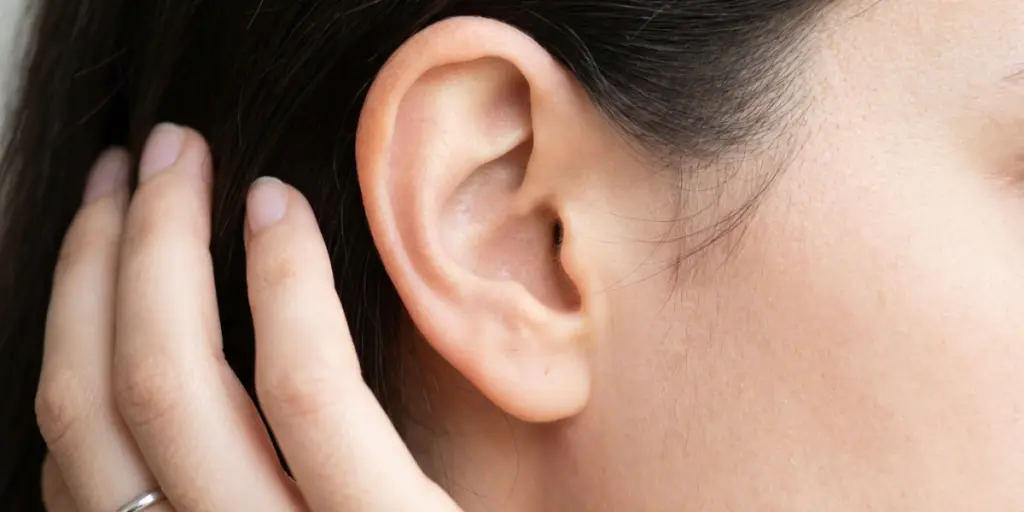
How Otoplasty Works
Otoplasty reshapes or repositions the ear cartilage to address prominence and selected differences in ear shape. Dr. Gregory J. Vipond chooses techniques according to each patient’s anatomy and goals. Treatment may include:
- Cartilage-shaping sutures: Internal stitches create or refine natural ear folds and help secure the ears in their adjusted position.
- Cartilage scoring or reshaping: Carefully placed adjustments help cartilage bend into the desired contour when sutures alone are insufficient.
- Selective tissue removal: A measured amount of cartilage or excess skin may be removed when needed to reduce prominence or refine shape.
Incisions are generally placed behind the ears or within natural folds, depending on the correction required. The goal is a balanced, natural-looking ear position that complements the face. Some differences between the ears may remain.
At VIP Facial Artistry, your treatment plan reflects your ear structure, facial proportions, and desired degree of change.
Otoplasty Results: Ear Shape, Position, and Balance
Otoplasty aims to reduce ear prominence and improve selected differences in ear shape or position. Dr. Gregory J. Vipond tailors the correction to each patient’s anatomy and goals, emphasizing natural-looking contours that complement the face.
For children and adults who feel self-conscious about their ears, surgery may also improve comfort with their appearance. Emotional responses vary, and increased confidence cannot be guaranteed.
Results are intended to be long-lasting, although healing and cartilage behavior can affect the final position. Some asymmetry may remain, and additional treatment may occasionally be needed.
Lobuloplasty (Earlobe Repair) in Claremont, CA
Lobuloplasty is surgery to repair or reshape the earlobes. Aging, prolonged use of heavy earrings, accidental injury, and stretched piercings can change earlobe shape or leave enlarged openings and tears.
At VIP Facial Artistry in Claremont, California, Dr. Gregory J. Vipond tailors earlobe repair to the amount of stretching, the condition of the remaining tissue, and your goals. Treatment may involve closing a damaged piercing, repairing a split, or reducing an elongated earlobe to improve contour and proportion.
What Can Earlobe Repair Address?
- Torn or split earlobes: Partial or complete tears associated with earrings or injury.
- Enlarged piercing holes: Openings stretched by prolonged earring wear.
- Stretched earlobes from gauges: Enlarged openings that may require more extensive tissue reshaping.
- Elongated or uneven earlobes: Selected differences in length, shape, or proportion.
If thinning or loss of fullness is your primary concern, Dr. Vipond will discuss whether repair, volume restoration, or another approach is appropriate. Surgical repair leaves a scar, and the degree of improvement depends on the available tissue and individual healing.
Earlobe Repair and Rejuvenation Options
Earlobe repair is generally performed in the office under local anesthesia. Many patients return to desk work soon afterward, although timing depends on the extent of treatment, comfort, and work requirements.
Dr. Gregory J. Vipond selects treatment according to the condition of the earlobe and your goals. Options may include:
- Torn or stretched piercing repair: Closing enlarged openings or repairing partial and complete splits.
- Earlobe reduction or lift: Removing selected excess tissue and reshaping elongated lobes to improve proportion.
- Volume restoration: Using dermal filler or, in selected patients, surgical fat grafting to address thinning or loss of fullness. These treatments add volume rather than close a torn piercing.
At VIP Facial Artistry in Claremont, California, your evaluation includes earlobe shape, tissue quality, existing scars, and the degree of stretching. Dr. Vipond explains suitable options, expected changes, risks, and aftercare, including when wearing earrings or re-piercing may be appropriate.
Double Board-Certified Care for Ear Surgery
At VIP Facial Artistry in Claremont, California, Dr. Gregory J. Vipond provides individualized care for otoplasty and earlobe repair. He is board-certified by the American Board of Facial Plastic and Reconstructive Surgery and the American Board of Otolaryngology–Head and Neck Surgery.
With more than 18 years of focused experience in facial aesthetics and over 5,000 facial procedures performed, Dr. Vipond emphasizes careful evaluation, precise surgical planning, and natural-looking contours that complement each patient’s features.
His approach includes clear discussion of treatment options, expected changes, limitations, risks, and recovery, with personalized guidance from consultation through follow-up.
Schedule an Otoplasty or Earlobe Repair Consultation in Claremont, CA
Considering ear reshaping or earlobe repair? Meet with Dr. Gregory J. Vipond at VIP Facial Artistry in Claremont, California, to discuss concerns such as prominent ears, differences in ear shape, torn piercings, or stretched earlobes.
During your consultation, Dr. Vipond evaluates your ear anatomy, tissue condition, and goals. He explains suitable treatment options, expected changes, scarring, risks, and recovery so you can make an informed decision about your care.
Request an Ear Surgery or Earlobe Repair Consultation
Otoplasty (Ear Pinning) FAQs
-
At what age can otoplasty be performed?
Otoplasty may be considered once a child’s ear cartilage is sufficiently developed and stable for correction, often around age five or older. Readiness also depends on the child’s health, ability to follow aftercare instructions, and willingness to undergo treatment.
Teenagers and adults may also be candidates. Dr. Gregory J. Vipond evaluates anatomy, health, and individual goals before recommending surgery.
-
Will otoplasty look natural?
The goal of otoplasty is to improve ear shape and position while maintaining natural-looking contours that complement the face. Dr. Vipond tailors the correction to your anatomy and preferences, aiming to avoid an overly flattened or “pinned-back” appearance.
Results vary, and some differences between the ears may remain. Perfect symmetry cannot be guaranteed.
-
Is otoplasty permanent?
Otoplasty makes lasting changes to ear cartilage, and results are generally long-lasting. However, cartilage can shift during healing, and some prominence may recur. Injury or other changes can also affect the result. Additional surgery is occasionally needed.
-
What is recovery like after otoplasty?
Swelling, soreness, bruising, and temporary changes in sensation can occur after surgery. Many patients return to school or desk work within approximately one week, depending on comfort, dressings, and the extent of treatment.
Returning to daily routines does not mean healing is complete. Dr. Vipond provides instructions for dressings or a protective headband and explains when exercise, contact sports, and other activities can resume.
-
Are scars visible after otoplasty?
Incisions are usually placed behind the ears or within natural ear folds, depending on the technique. These locations help conceal the scars, but scars are permanent and may remain visible.
Their appearance depends on incision placement, skin characteristics, healing, and aftercare. Scars generally become less noticeable as they mature.
-
Can otoplasty be combined with other procedures?
Yes. Otoplasty may be combined with other procedures when appropriate for the patient’s health, anatomy, and goals. The decision also considers anesthesia, overall procedure length, and recovery needs.
During consultation at VIP Facial Artistry in Claremont, California, Dr. Gregory J. Vipond discusses whether treatment alone, combined surgery, or a staged approach is appropriate.
