


Blepharoplasty, commonly referred to as eyelid surgery, is a precise facial plastic surgery procedure designed to refresh the appearance of the eyes while preserving natural expression. Aging of the upper and lower eyelids can lead to excess skin, puffiness, hollowing, or drooping that creates a tired or aged look. Eyelid surgery addresses these concerns to restore a rested, balanced, and natural appearance tailored to each patient’s facial anatomy.
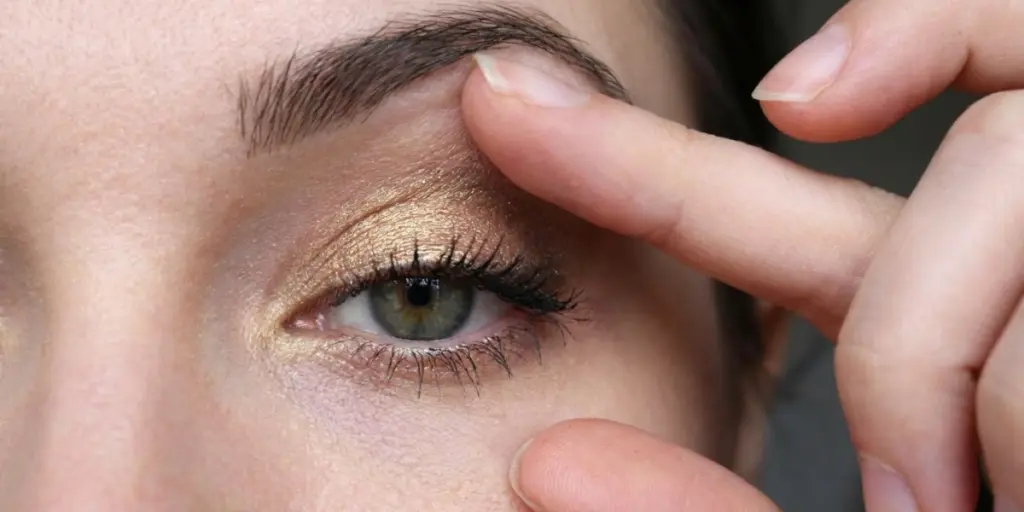
Lower Lid Blepharoplasty
Lower eyelid blepharoplasty targets common signs of aging beneath the eyes, including under-eye bags, skin laxity, and deep tear troughs. Over time, changes in eyelid fat, skin elasticity, and cheek volume can create shadows or a hollow appearance that makes patients look fatigued.
Lower Eyelid Incision Options
The surgical approach is customized based on eyelid anatomy and aesthetic goals.
- External (subciliary) incision: Placed just beneath the lower lash line when excess skin or muscle needs to be addressed. When performed with meticulous technique, the resulting scar is typically very difficult to detect.
- Internal (transconjunctival) incision: Performed inside the eyelid when skin removal is not required, allowing treatment of under-eye fat without an external scar.
A detailed in-office evaluation is essential to determine the safest and most effective approach.
Fat Repositioning & Tear Trough Correction
In many cases, Dr. Vipond emphasizes fat preservation and repositioning rather than aggressive removal. Repositioning a patient’s own eyelid fat can soften tear trough deformities and create a smooth transition between the lower eyelid and cheek.
This conservation approach helps avoid a hollow or skeletal appearance and supports natural, youthful contours. Precision and balance are critical to achieving long-lasting, natural results..
Revision Lower Blepharoplasty
While lower eyelid surgery can significantly rejuvenate the eyes, the aging process continues. Some patients may benefit from non-surgical treatments, while others may require revision lower blepharoplasty to improve or correct previous surgical results.
Dr. Vipond has extensive experience performing secondary eyelid surgery to address issues such as hollowing, eyelid retraction, asymmetry, or visible scarring. Revision procedures require careful planning and advanced surgical expertise to restore a natural, harmonious appearance.
Upper Lid Blepharoplasty
Upper eyelid blepharoplasty treats excess eyelid skin, muscle thickening, and protruding fat that can cause heaviness, drooping, or visual obstruction. By removing or repositioning these tissues, upper eyelid surgery opens the eyes and restores a refreshed, alert appearance.
Upper Eyelid Incision
The incision for upper blepharoplasty is placed within the natural eyelid crease. With precise design and closure, the scar typically heals to become discreet and well hidden.
Preservation is essential. Over-removal of tissue can result in a hollow or overly surprised appearance. Dr. Vipond prioritizes maintaining naturally-youthful eyelid fullness and shape.
Advanced Eyelid Techniques
When indicated, advanced procedures may be incorporated, including:
- Upper eyelid fat repositioning: Used when some areas show excess fullness while others appear hollow. Moving fat into the hollow areas helps maintain smooth contours without creating a “skeletal” look.
- Ptosis repair: Age-related weakening of the tendon that elevates the upper eyelid can cause drooping. Correcting this issue involves lifting the eyelid to restore symmetry, brightness, and balance.
These techniques require specialized training and are performed only when appropriate based on a comprehensive examination.
Respecting Individual Anatomy
Successful eyelid surgery requires careful consideration of gender-specific anatomy, ethnic features, and natural eyelid shape. Dr. Vipond has extensive experience treating patients from diverse backgrounds and prioritizes results that enhance, rather than alter, each patient’s unique identity.
Double Board-Certified Care
Eyelid surgery requires precision, judgment, and an in-depth understanding of facial anatomy. As a double board-certified facial plastic surgeon, Dr. Gregory J. Vipond brings more than 18 years of focused experience to blepharoplasty and facial rejuvenation. With over 5,000 facial procedures performed, his approach emphasizes natural results, safety, and long-term patient satisfaction.
Schedule a Blepharoplasty Consultation
If you are considering upper or lower eyelid surgery to restore a rested, refreshed appearance, blepharoplasty may be an excellent option. Contact VIP Facial Artistry to schedule a personalized consultation and receive expert guidance tailored to your goals.
Blepharoplasty FAQs
-
What is the difference between upper and lower eyelid blepharoplasty?
Upper eyelid blepharoplasty addresses drooping skin and heaviness above the eyes, while lower eyelid blepharoplasty treats under-eye bags, tear troughs, and skin laxity beneath the eyes. Many patients benefit from a combined approach.
-
Will eyelid surgery make me look unnatural?
When performed conservatively, blepharoplasty should not make you look “done” or overcorrected. Preservation of natural anatomy and thoughtful fat repositioning are critical to maintaining an authentic, youthful appearance.
-
What is fat repositioning in lower eyelid surgery?
Fat repositioning uses the patient’s own eyelid fat to soften tear troughs and smooth the transition between the eyelid and cheek. This technique helps avoid hollowing and supports long-term, natural results.
-
How long is recovery after blepharoplasty?
Most patients experience swelling and bruising for 1–2 weeks. While recovery varies, many return to normal social activities within 10–14 days, with continued improvement over several weeks.
-
Is revision blepharoplasty more complex?
Yes. Revision eyelid surgery requires advanced expertise due to scar tissue and altered anatomy. Selecting a surgeon with extensive experience in revision procedures is critical to achieving safe and natural results.
-
Are blepharoplasty results permanent?
Eyelid surgery provides long-lasting rejuvenation; however, the natural aging process continues. Proper technique and preservation help results age gracefully over time.
Every eyelid surgery is individualized. During your consultation, Dr. Vipond evaluates eyelid anatomy, facial balance, and long-term aging to recommend a personalized approach. Blepharoplasty is as much about what is preserved as what is removed.
